

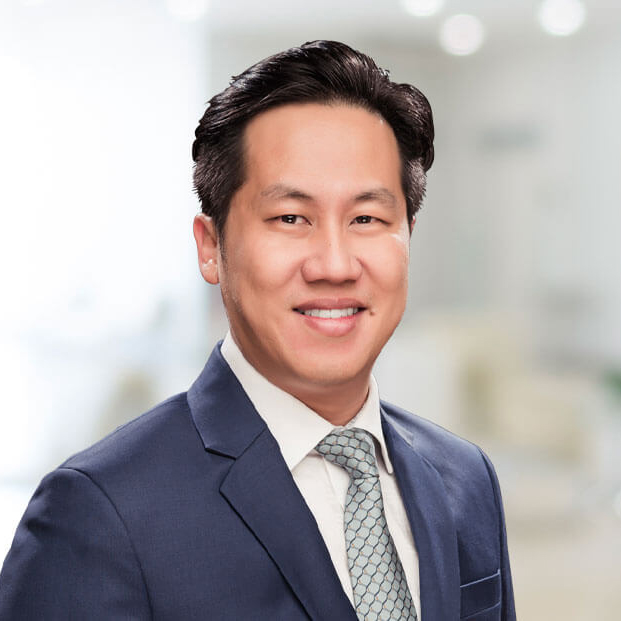
Dr Dennis Koh
Medical Director & Senior Consultant Surgeon
B Med Sci (Nottingham), MBBS (Nottingham),
MMed (Surgery), FRCS (Edinburgh), FAMS
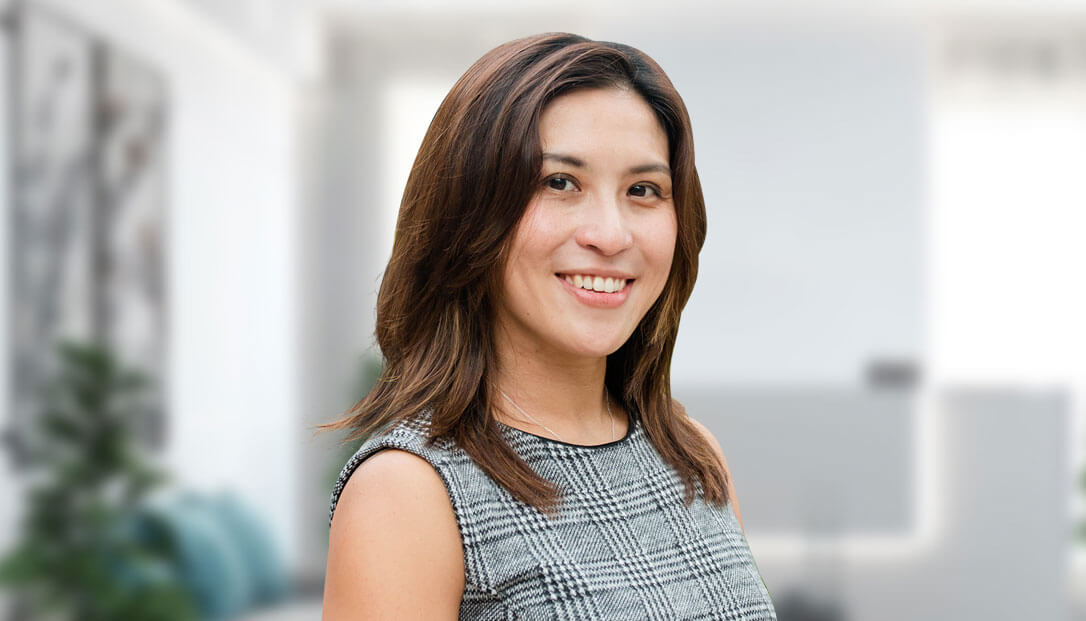
Dr Sharon Koh Zhiling
Senior Consultant Surgeon
MBBS (Singapore), MMed (Surgery),
FRCS (Edinburgh), FAMS

Dr Pauleon Tan Enjiu
Senior Consultant Surgeon
MBBS (Singapore), MMed (Surgery),
FRCS (Edinburgh), FACS
Piles can flare up even when you have not made any obvious changes to your routine. You may notice bleeding, itching or discomfort returning and wonder what has triggered it, particularly if your symptoms had previously settled.
Often, the explanation lies in small everyday habits that are easy to overlook. Recognising how your routine affects your bowel health can help you make practical changes and know when recurring symptoms deserve further assessment.
Which Everyday Habits Could Be Making Your Piles Worse?
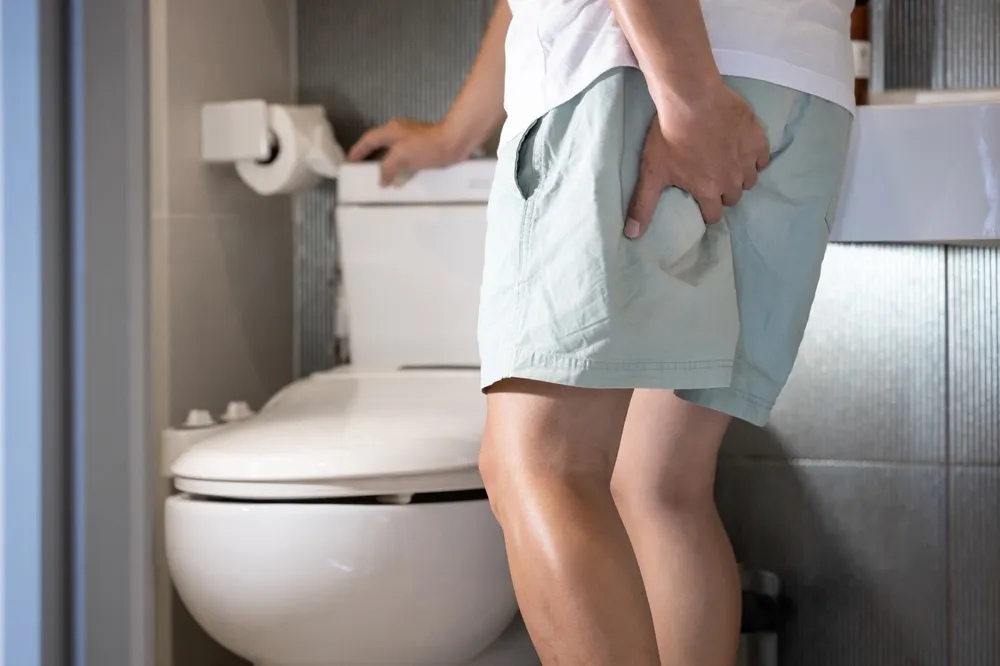
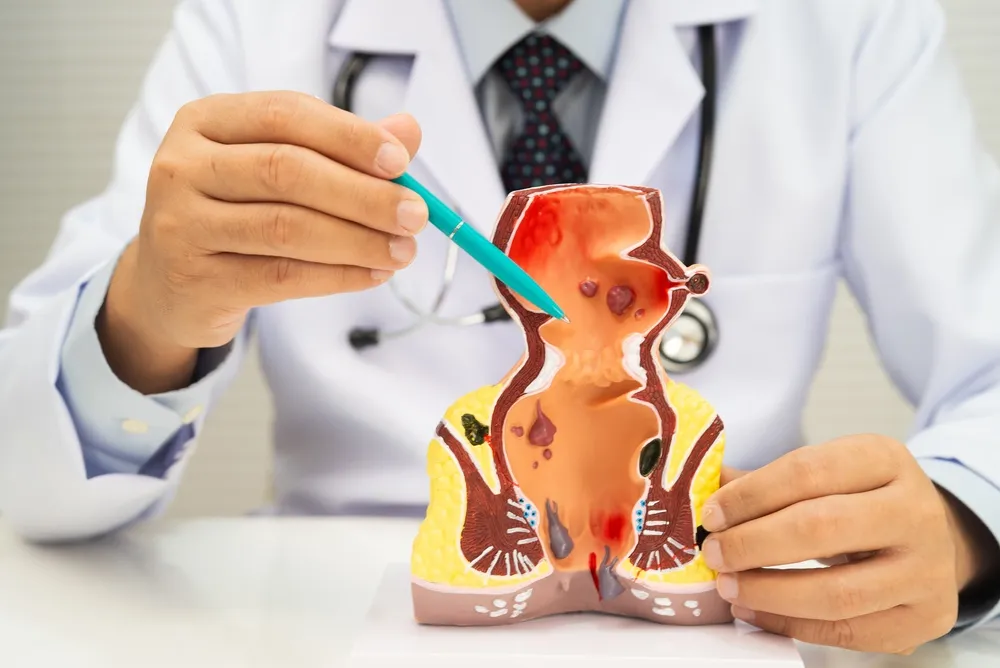
Piles, also known as haemorrhoids, are enlarged blood vessels in and around the anus. Habits that repeatedly increase pressure in this area or make stools harder to pass can contribute to irritation and worsening symptoms.
Some of these habits are easy to overlook because they form part of your normal routine. Here are several that may be worth paying attention to.
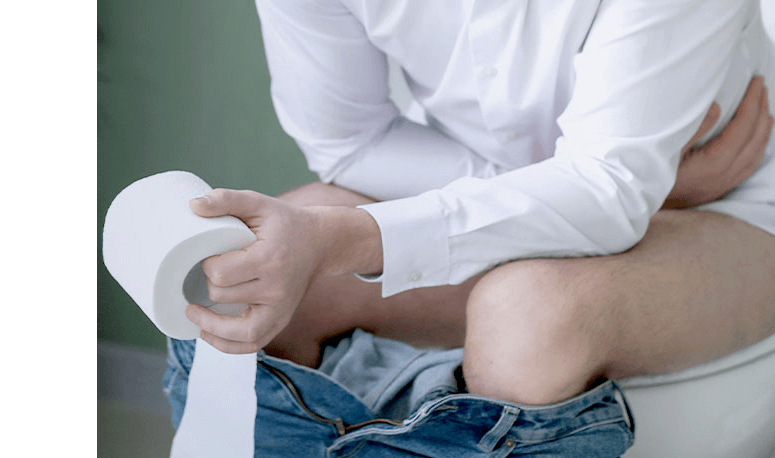
Sitting on the Toilet for Too Long
How long you spend on the toilet matters, even if you are not actively straining. Remaining seated for longer than necessary can place continued pressure on the tissues around the anus. Once you have finished, try to get up rather than waiting to see if you need to go again.
Using Your Phone on the Toilet
One common reason toilet visits become unnecessarily long is phone use. Checking messages, watching videos or scrolling through social media can make it easy to lose track of time.
Leaving your phone outside the bathroom can help you avoid spending more time on the toilet than necessary.
Straining to Pass Stool
Time spent on the toilet is not the only factor. How much effort you use when passing stool also matters, as pushing hard increases pressure around the veins in the anal area and may aggravate existing piles. If you are struggling to go, avoid repeatedly forcing a bowel movement and try again when you naturally feel the urge.
Not Drinking Enough Fluids
If hard stools are making you strain, your fluid intake is another factor worth considering. Not drinking enough can contribute to stools becoming dry and more difficult to pass. Regular hydration throughout the day can help maintain softer stools and make going to the toilet more comfortable.
Delaying a Trip to the Toilet
Even with adequate hydration, repeatedly ignoring the urge to go can make passing stool more difficult later. As stool remains in the bowel, more water can be absorbed from it, causing it to become harder. Where possible, respond to your body's natural urge rather than regularly putting off a trip to the toilet.
Eating Too Little Fibre
What you eat also influences stool consistency and regularity. A low-fibre diet can contribute to constipation and make it more difficult to maintain soft, well-formed stools.
Include sources such as vegetables, fruit, wholegrains, beans, lentils, nuts and seeds. If your current fibre intake is low, increase it gradually to reduce the likelihood of bloating or wind.
When Should Recurring Piles Be Assessed?
Lifestyle changes can help manage mild symptoms, but recurring problems should not simply be assumed to be piles every time.
Arrange a medical assessment if your symptoms keep returning, worsen or do not improve with self-care. Rectal bleeding should also be properly evaluated, particularly if it is new or accompanied by changes in your usual bowel habits. An assessment can help determine the cause of your symptoms and whether further piles treatment may be needed.
Make Your Daily Routine Part of Managing Piles
You may not notice how much your daily routine affects piles until symptoms begin to interfere with your comfort. Paying closer attention to patterns around your toilet habits and digestion can help you identify potential triggers and make changes before discomfort becomes more persistent.
At Piles Treatment by Colorectal Practice in Singapore, Dr Dennis Koh, alongside Dr Sharon Koh Zhiling and Dr Pauleon Tan Enjiu, provides assessment and treatment for piles. If your symptoms continue to recur or affect your daily life, contact the clinic to arrange a consultation and find out what may be contributing to them.
FAQs About Everyday Factors That Can Affect Piles
Meet Our Doctors
Dr Dennis Koh
Medical Director & Senior Consultant Surgeon
B Med Sci (Nottingham), MBBS (Nottingham), MMed (Surgery), FRCS (Edinburgh), FAMS
Dr Dennis Koh is an accredited colorectal surgeon with specialised expertise in piles treatment and minimally invasive colorectal surgery. After receiving the SingHealth Health Manpower Development Plan Award, he furthered his training in colorectal and pelvic floor disorders at Hôpitaux Universitaires de Genève in Switzerland. He was previously a consultant colorectal surgeon at Singapore General Hospital and is also involved in training medical students and surgical trainees.
Dr Sharon Koh Zhiling
Senior Consultant Surgeon
MBBS (Singapore), MMed (Surgery), FRCS (Edinburgh), FAMS
Dr Sharon Koh is a senior consultant surgeon with subspecialty training in colorectal surgery, minimally invasive surgery and advanced endoscopy. She completed an 18-month advanced colorectal surgery fellowship at Cedars-Sinai Medical Center in Los Angeles, with a particular focus on inflammatory bowel disease. Alongside her clinical practice, she has published research in the field and serves as a Senior Clinical Lecturer at the Yong Loo Lin School of Medicine, NUS.
Dr Pauleon Tan Enjiu
Senior Consultant Surgeon
MBBS (Singapore), MMed (Surgery),FRCS (Edinburgh), FACS
Dr Pauleon Tan is a senior consultant surgeon with experience in colorectal surgery, minimally invasive surgery and advanced endoscopic procedures. He received the Ministry of Health Health Manpower Development Plan Award and undertook advanced colorectal surgical training at Saitama International Medical Center in Japan. He also previously served as clinical director of the Colorectal Cancer Screening Programme at Khoo Teck Puat Hospital, reflecting his interest in colorectal cancer prevention and early detection.