

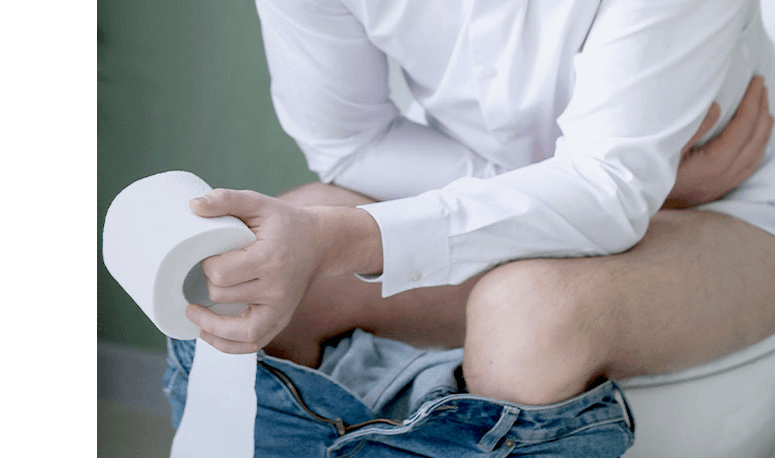
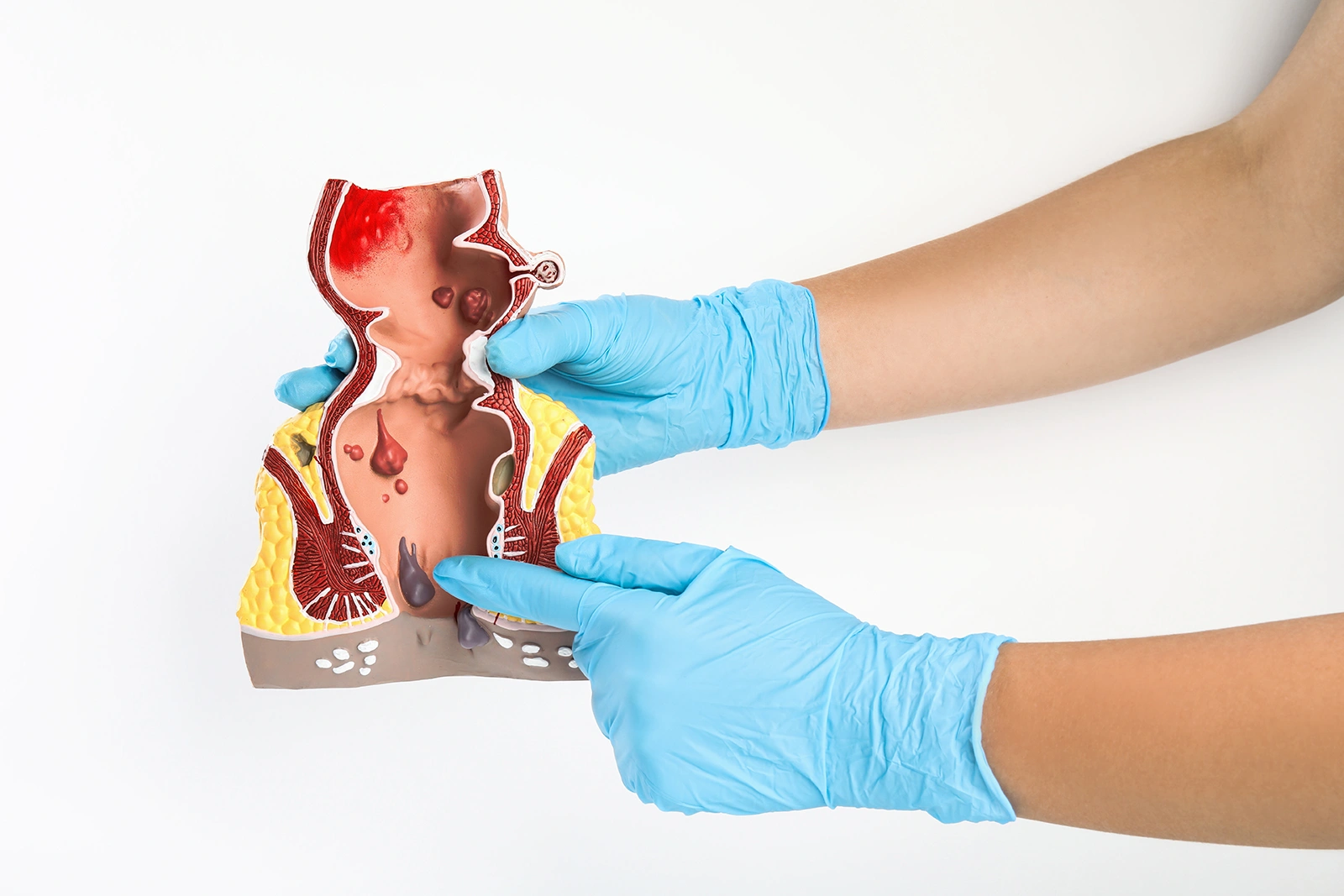
If you’ve ever felt pain, itching, or discomfort around your anus, you’ll know how much piles, or haemorrhoids, can affect your daily life. From making it uncomfortable to sit to turning every trip to the toilet into a challenge, the symptoms can be frustrating. The good news is that most cases don’t require surgery. With the right care and adjustments, many people find relief through non-surgical treatments that help reduce inflammation, soothe irritation, and prevent recurrence.
Here, we’ll look at the most effective options for managing piles and getting back your everyday comfort. Keep reading to learn more.
Non-Surgical Treatment Options
Mild to moderate haemorrhoids can often be well controlled with non-surgical treatments. These methods aim to ease symptoms, improve bowel habits, and stop piles from coming back. In fact, for many people, small daily changes make a big difference in how they feel.
Lifestyle and Dietary Changes
It may surprise you how much simple lifestyle habits can affect your symptoms. If you’ve been dealing with piles, these adjustments are often the first and most effective step:
- Increase Fibre Intake: Eat more fruits, vegetables, beans, and whole grains. Fibre softens your stool, making bowel movements smoother and less painful. Aim for around 25–35 grams a day.
- Stay Hydrated: Drinking enough water keeps digestion running smoothly and prevents constipation. Try to sip regularly throughout the day, especially in Singapore’s humid weather.
- Exercise Regularly: Activities like walking, swimming, or yoga boost circulation and encourage healthy bowel function, all while reducing pressure on your rectal veins.
- Practice Healthy Bowel Habits: Use the toilet whenever you feel the urge instead of holding it in, and avoid sitting too long on the toilet. Straining adds unnecessary pressure that can make piles worse.
- Maintain a Healthy Weight: Carrying extra abdominal pressure can increase the likelihood of developing or worsening haemorrhoids, so aim for a balanced diet and regular activity.
Over-the-Counter (OTC) Medications
Over-the-counter remedies can provide short-term relief while lifestyle changes take effect. These include:
- Oral Medication: Pain relief medications like ibuprofen or paracetamol can help reduce inflammation and ease discomfort.
- Creams and Ointments: Topical treatments soothe itching, burning, or swelling around the anus. However, they should be used only for a limited time unless prescribed by your doctor.
- Suppositories: For internal haemorrhoids, medicated suppositories deliver relief directly where it’s needed, helping calm inflammation and promote healing.
Minimally Invasive, Office-Based Procedures
When symptoms persist despite conservative measures, your doctor may recommend minimally invasive procedures that can be done comfortably in a clinic. These treatments are quick, safe, and require little downtime.
- Rubber Band Ligation: A small rubber band is placed around the base of an internal haemorrhoid, cutting off its blood supply so it gradually shrinks and falls off.
- Sclerotherapy: A medical solution is injected into smaller haemorrhoids, causing them to scar and shrink over time.
- Infrared Coagulation: A brief burst of infrared light seals off blood vessels feeding the haemorrhoid. This method is fast, effective, and suitable for small to medium-sized bleeding piles.
Factors to Consider When Choosing Non-Surgical Treatments
The best treatment approach depends on your symptoms, the type of haemorrhoids you have, and your personal preferences. Here are some points your doctor will discuss with you:
- Severity of Symptoms: Grade I and II piles usually respond well to diet and medications, while more advanced Grade III cases may need office-based treatments.
- Type and Location of Haemorrhoids: External haemorrhoids are best treated with topical creams and lifestyle adjustments, whereas internal piles may benefit more from procedures like RBL or sclerotherapy.
- Patient Health and Medical History: Certain conditions, allergies, or medications may influence which options are suitable for you.
- Patient Preference: Some people prefer to start conservatively with home care, while others opt for faster results through clinic-based procedures.
- Risk Tolerance: Minimally invasive procedures can cause mild soreness or bleeding for a few days, but this usually settles quickly.
When to Seek Further Medical Advice
While many piles improve with non-surgical treatment, it’s important to know when to get help. You should see a piles specialist if:
- Your symptoms persist or worsen after a week of home care.
- You experience heavy bleeding, swelling, fever, or discharge which may indicate infection or another issue.
- You have large or prolapsed haemorrhoids that don’t retract on their own.
- You notice changes in your bowel habits or stool appearance.
For more advanced cases, procedures such as haemorrhoidectomy or transanal haemorrhoidal dearterialisation (THD) may be advised. These options for piles surgery in Singapore provide effective, long-term relief for severe or recurrent haemorrhoids.
At Colorectal Practice, our colorectal specialists provide a full range of piles treatments in Singapore and can recommend the most suitable treatment for your needs. Contact us today at 6262 1226 to book an appointment.