

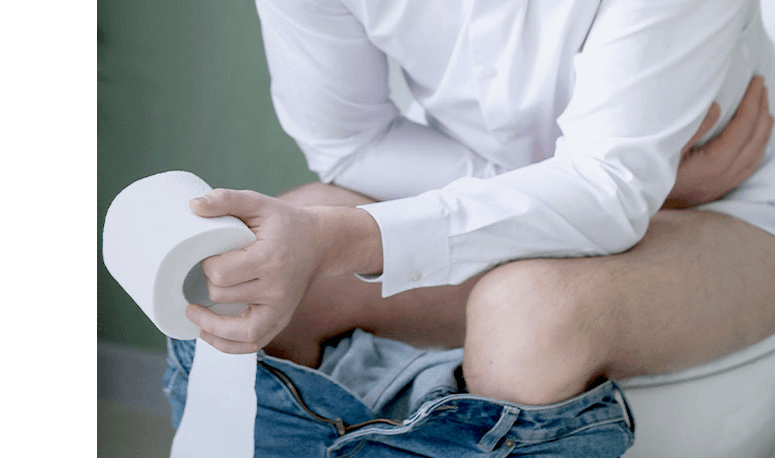
If you’ve recently undergone haemorrhoid surgery or are preparing for one, you’re likely looking forward to getting back to regular programming as soon as possible. The procedure often brings much-needed relief from the discomfort, swelling, and bleeding caused by piles, but recovery is just as vital to achieving lasting results. By following the right care routine and making a few mindful adjustments to your daily habits, you can promote faster healing, minimise complications, and reduce the chances of recurrence.
In this article, we’ll explore what typically happens after surgery and share practical tips to help you recover comfortably and confidently.
Immediate Post-Surgery Recovery (0-2 weeks)
The first two weeks after surgery are when most patients experience the greatest discomfort. Mild pain, swelling, and a little bleeding during bowel movements are common and usually settle with time. Your doctor will likely prescribe painkillers and stool softeners to make this period more manageable.
During this period:
- Rest as much as you can, especially in the first few days.
- Avoid sitting or straining for long periods
- Use prescribed creams or ointments as directed.
- Stay hydrated and stick to soft, high-fibre meals like porridge, fruits, and vegetables.
Post-Surgery Complications to Watch For
Some bleeding or soreness is completely normal, but it’s important to know when something doesn’t feel right. Contact your surgeon as soon as possible if you notice:
- Heavy or persistent bleeding
- Increasing pain or swelling
- Pus or foul-smelling discharge from the wound
- Difficulty urinating or passing stool
- Fever or chills
Dietary Changes for Smooth Recovery
What you eat after surgery can significantly affect how comfortable your recovery feels. Passing hard stools can reopen wounds and cause pain, so keeping your diet soft, fibrous, and hydrating is recommended.
Consider adding these foods to your diet to support recovery:
- Fresh fruits and vegetables such as papaya, apples and spinach
- Whole grains such as oats, brown rice, or wholemeal bread
- Lentils, beans, and other fibre-rich foods
- 8–10 glasses of water daily to keep stools soft.
It’s best to limit spicy, greasy, or processed foods, which can irritate the digestive tract. Likewise, cutting back on caffeine and alcohol helps prevent dehydration and constipation. If needed, your doctor may also recommend a mild stool softener or fibre supplement to support bowel regularity.
Managing Pain and Discomfort
It’s perfectly normal to feel discomfort after surgery, especially during bowel movements. The area may feel sore, tight, or burning for a while, but rest assured, this improves as healing progresses.
- Medications: Take pain relief or anti-inflammatory medicine as prescribed. Keeping doses consistent helps maintain comfort.
- Topical Treatments: Apply numbing creams or gels before bowel movements if recommended.
- Cold Compress: Use a wrapped ice pack for short intervals to ease swelling
- Positioning: Sit on a soft cushion or doughnut pillow and avoid hard chairs or prolonged sitting.
Returning to Normal Activities
Everyone heals at a different pace, but most people can resume light work within one to two weeks. If your job involves heavy lifting or long hours of sitting, you may need extra time or modified duties. Before you return to exercise, driving, or more strenuous routines, check with your doctor to ensure your surgical site has healed enough.
Haemorrhoid surgery recovery takes patience, but with the right care, it’s entirely manageable. Our colorectal specialists provide post-surgery guidance to help you heal safely and smoothly.
Contact our clinic today to schedule a consultation or follow-up appointment.