


Dr Dennis Koh
Medical Director & Senior Consultant Surgeon
B Med Sci (Nottingham), MBBS (Nottingham), MMed (Surgery), FRCS (Edinburgh), FAMS
Haemorrhoids (piles) are a common condition that can cause symptoms such as itching, pain, swelling and rectal bleeding. While many mild cases improve with lifestyle changes and over-the-counter treatments, persistent or worsening symptoms may require assessment by a haemorrhoids specialist.
Recognising the signs that home treatment is no longer enough can help you receive an accurate diagnosis and appropriate treatment before your symptoms become more troublesome.
Tip 1: Persistent Pain and Discomfort
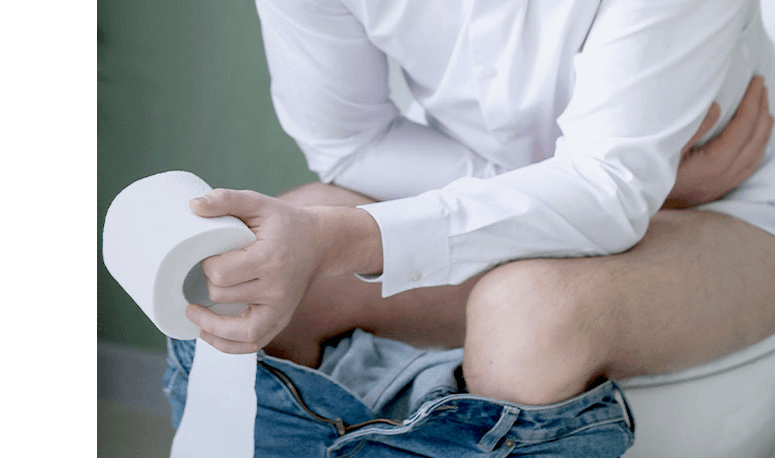
Mild haemorrhoids often cause temporary discomfort that improves with lifestyle changes and home treatment. However, persistent or recurrent pain, itching or swelling should be assessed by a haemorrhoids specialist.
Persistent pain is not something you should simply learn to live with. Haemorrhoids can become inflamed, prolapse or develop a blood clot (thrombosed haemorrhoid), which can cause significant pain, particularly during bowel movements or while sitting. As symptoms worsen, they can begin to interfere with everyday activities and quality of life.
Tip 2: You Notice Bleeding During or After Bowel Movements
Seeing blood during or after a bowel movement can be alarming. Haemorrhoids commonly cause bright red bleeding that may appear on the toilet paper, in the toilet bowl or on the surface of the stool.
However, rectal bleeding is not always caused by haemorrhoids. Persistent, recurrent or unexplained bleeding should always be assessed by a haemorrhoids specialist, as other colorectal conditions can cause similar symptoms and require different treatment.
Tip 3: Home Treatments Are No Longer Providing Relief
Many mild haemorrhoids improve with lifestyle changes and over-the-counter treatments. Measures such as increasing your fibre intake, taking warm sitz baths and using topical treatments can often help relieve symptoms during a flare-up. However, if these measures no longer provide lasting relief, it may be time to consult a haemorrhoids specialist and consider a different treatment approach.
Tip 4: A Lump Around the Anus Is Large or Difficult to Push Back In
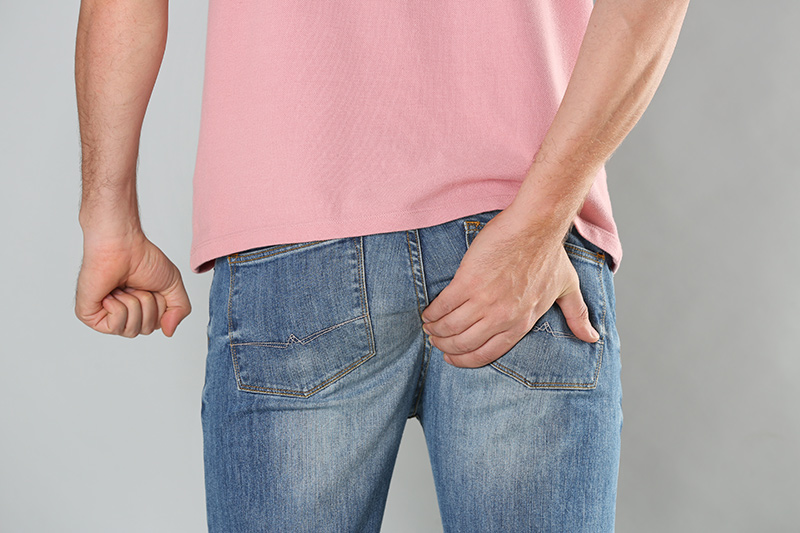
A lump around the anus may develop with external haemorrhoids or when internal haemorrhoids prolapse. While some prolapsed haemorrhoids return inside on their own or can be gently pushed back after a bowel movement, a lump that remains outside or becomes increasingly difficult to reposition should be assessed by a haemorrhoids specialist.
As haemorrhoids progress, the supporting tissues around the anal canal can weaken, allowing internal haemorrhoids to prolapse more frequently. Large external haemorrhoids or thrombosed haemorrhoids may also cause a persistent, painful lump that becomes increasingly uncomfortable during sitting or bowel movements.
Tip 5: You Think It Is Haemorrhoids but You're Not Sure
Many people assume they have haemorrhoids based on their symptoms and delay seeking medical advice. While haemorrhoids are a common cause of these symptoms, other colorectal conditions can present in a similar way. An accurate diagnosis is important because the appropriate treatment depends on the underlying cause.
Personalised Haemorrhoids Treatment with Dr Dennis Koh
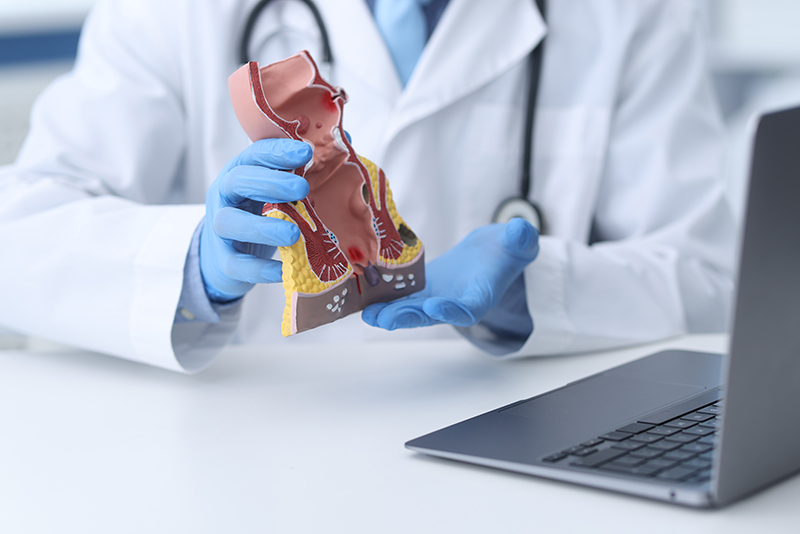
Haemorrhoids can often be managed effectively when assessed early. While mild cases may respond to conservative measures, persistent pain, bleeding, recurrent flare-ups or lack of improvement with home treatment may indicate that further evaluation is needed. Early assessment helps confirm the diagnosis and determine the most appropriate treatment before the condition progresses.
At Piles Treatment by Colorectal Practice, patients receive comprehensive assessment and personalised treatment for haemorrhoids, from conservative management to minimally invasive procedures and surgery where appropriate. Dr Dennis Koh will recommend the most appropriate treatment approach based on your symptoms, examination findings and the severity of your condition.
If you are experiencing ongoing haemorrhoid symptoms or would like a professional assessment, arrange a consultation with Dr Dennis Koh to discuss the most appropriate treatment options for your condition.
Frequently Asked Questions (FAQs) About Signs to See a Haemorrhoids Specialist
Meet Our Colorectal Specialist in Singapore
Dr Dennis Koh
Medical Director & Senior Consultant Surgeon
B Med Sci (Nottingham), MBBS (Nottingham), MMed (Surgery), FRCS (Edinburgh), FAMS
Dr Dennis Koh is an accredited colorectal surgeon with a special expertise in piles treatment. He provides personalised care for patients experiencing symptoms such as rectal bleeding, pain, prolapse and discomfort, offering a full range of treatment options from conservative management and minimally invasive procedures to surgery for more advanced cases.
A medical graduate of the University of Nottingham (UK) and the National University of Singapore, Dr Koh was awarded the SingHealth Health Manpower Development Plan (HMDP) Award to further his colorectal training at the Hôpitaux Universitaires de Genève (HUG), Switzerland. Before establishing Maven Surgery, he served as a Consultant Colorectal Surgeon at Singapore General Hospital, one of the most progressive and comprehensive colorectal centres in the country, where he treated patients with a wide range of colorectal conditions, including complex haemorrhoids requiring specialist care.